Smart Buys: Making Every Purchase Worth Your Money
“Smart Buys” is all about purchasing wisely — getting the best quality at the best price, without compromising on value.

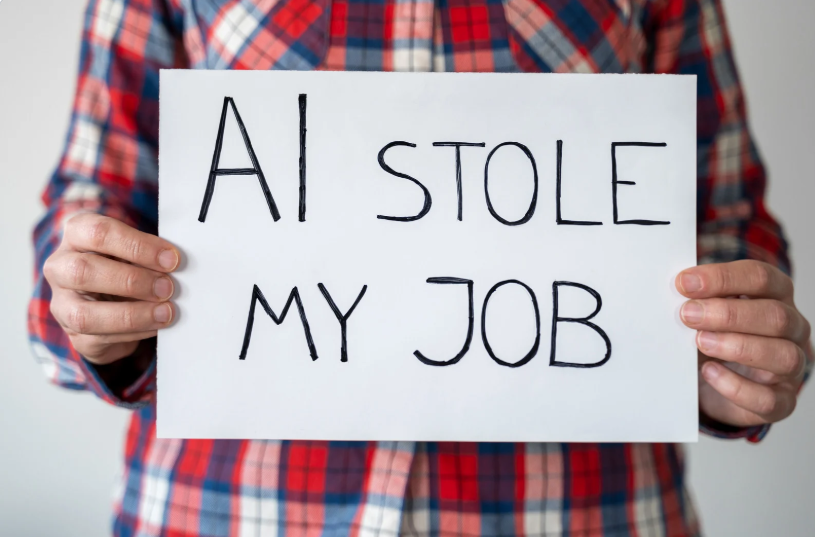

Artificial Intelligence (AI) and automation are transforming the landscape of employment at an unprecedented rate. As these technologies continue to advance, they are reshaping industries, enhancing productivity, and altering job roles.
Enhanced Efficiency and Productivity: One of the most notable impacts of AI and automation is the significant increase in efficiency and productivity. Tasks that once required substantial time and human effort can now be completed quickly and accurately by machines. For example, in manufacturing, automated robots can perform repetitive tasks with precision, reducing errors and increasing output. This shift allows human workers to focus on more complex and creative tasks that require critical thinking and problem-solving skills.
Job Displacement and Creation: While AI and automation have led to the displacement of certain job roles, they have also created new opportunities. Routine and manual jobs are at a higher risk of being automated, which can lead to job losses in sectors like manufacturing, retail, and administrative support. However, the rise of AI has also generated demand for new roles in tech development, data analysis, and AI system maintenance. Professions such as data scientists, AI specialists, and cybersecurity experts are now in high demand.
Evolving Skill Sets: The integration of AI and automation into the workplace necessitates a shift in the required skill sets. Workers must adapt by developing skills that complement these technologies. This includes proficiency in digital tools, understanding AI systems, and honing soft skills like creativity, adaptability, and collaboration. Educational institutions and employers are recognizing this need and increasingly offering training programs to help workers upskill and reskill.
Workplace Transformation: AI and automation are also transforming the nature of work itself. Remote work, driven by digital tools and AI-powered communication platforms, has become more prevalent. Additionally, AI can enhance decision-making processes by providing data-driven insights, allowing businesses to make more informed choices.
In summary, while AI and automation present challenges in terms of job displacement, they also offer opportunities for growth and innovation. Embracing these technologies and adapting to the changing landscape will be crucial for workers and businesses alike in the evolving job market.
“Smart Buys” is all about purchasing wisely — getting the best quality at the best price, without compromising on value.

In today’s digital age, the world of news is evolving faster than ever before. Every day, we are surrounded by a constant stream of updates — from global politics and economics to technology, science, and entertainment.
