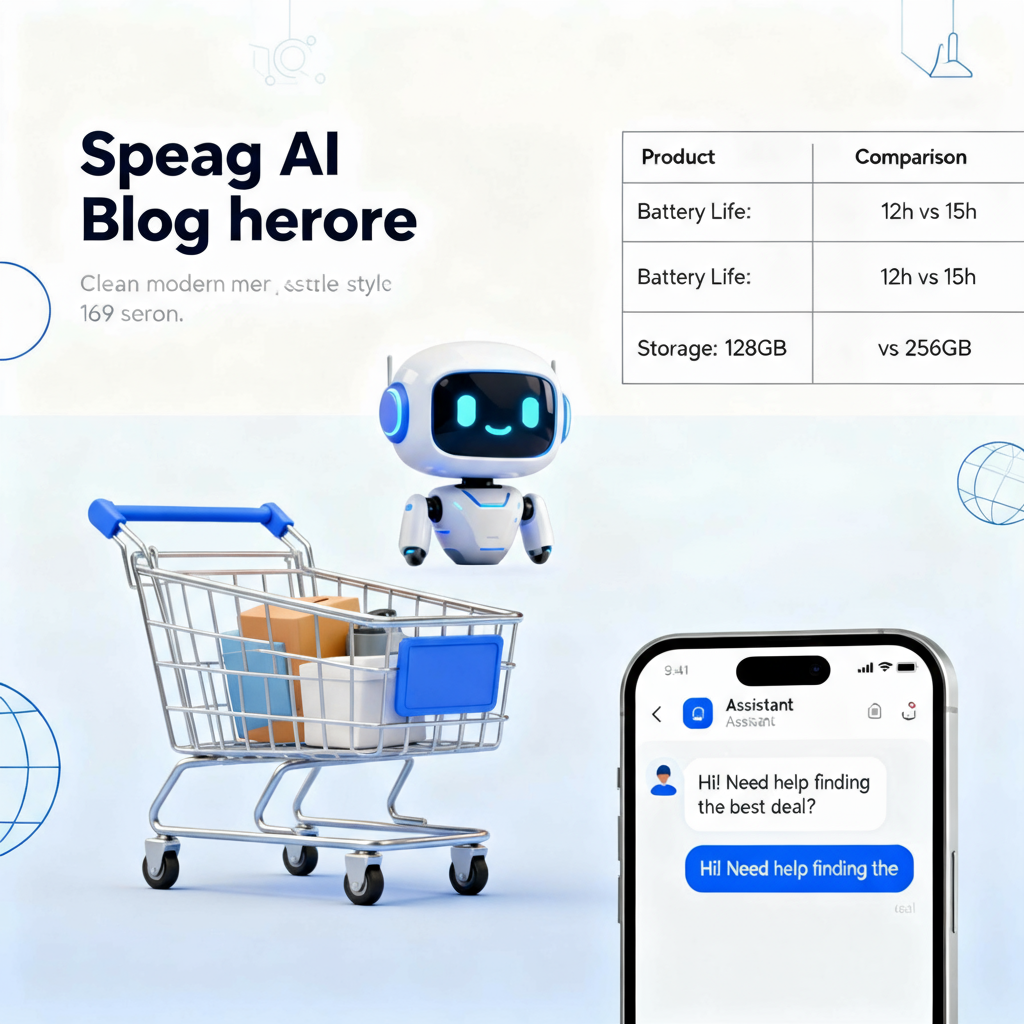
Smart Buys: Making Every Purchase Worth Your Money
“Smart Buys” is all about purchasing wisely — getting the best quality at the best price, without compromising on value.



Artificial Intelligence (AI) and automation are at the forefront of technological innovation, transforming industries and reshaping the way we work and live. As these technologies evolve, their impact becomes increasingly profound and pervasive.
Efficiency and Productivity: AI and automation are synonymous with efficiency. By automating repetitive and mundane tasks, businesses can significantly reduce human error, save time, and lower operational costs. For instance, in manufacturing, robotic automation can enhance precision and speed, leading to higher quality products and increased output. In customer service, AI-powered chatbots provide instant responses, improving customer satisfaction and reducing response times.
Workforce Evolution: While there is concern about job displacement due to automation, it’s important to note that AI also creates new opportunities. Roles that require repetitive manual labor are most susceptible to automation, but this shift paves the way for the creation of new jobs in tech development, AI maintenance, and data analysis. Emerging professions like AI specialists, data scientists, and machine learning engineers are becoming increasingly vital in the job market.
Enhanced Decision-Making: One of the most significant advantages of AI is its ability to analyze vast amounts of data and provide actionable insights. Businesses can leverage AI to make informed decisions, predict market trends, and personalize customer experiences. For example, e-commerce platforms use AI algorithms to recommend products based on user behavior, thereby increasing sales and customer engagement.
Adapting Skill Sets: The rise of AI necessitates a shift in the skills required in the workforce. As automation takes over routine tasks, there is a growing demand for skills that machines cannot easily replicate, such as creativity, emotional intelligence, and critical thinking. Continuous learning and adaptability are crucial for individuals to stay relevant in this dynamic environment.
Ethical Considerations: As AI and automation integrate more deeply into society, ethical considerations become paramount. Issues such as data privacy, algorithmic bias, and the ethical use of AI must be addressed to ensure these technologies benefit all of humanity without unintended consequences.
In conclusion, AI and automation are driving significant changes across various sectors. While they present challenges, they also offer immense opportunities for innovation, growth, and improved quality of life. Embracing these technologies and preparing for their impact is essential for businesses and individuals alike.
“Smart Buys” is all about purchasing wisely — getting the best quality at the best price, without compromising on value.

In today’s digital age, the world of news is evolving faster than ever before. Every day, we are surrounded by a constant stream of updates — from global politics and economics to technology, science, and entertainment.
